
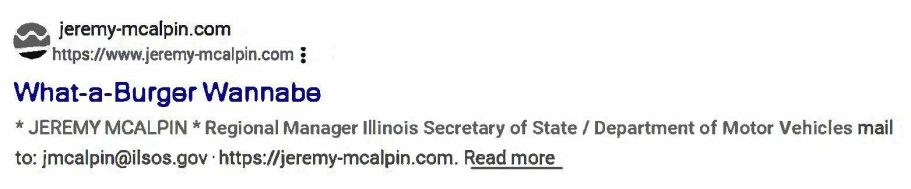
What-a-Burger
Wannabe
---> https://www.youtube.com/shorts/nQUYFOdsWss <---
* WE NOW RETURN TO OUR REGULARLY SCHEDULED PROGRAMMING *

The above is an excerpt from:
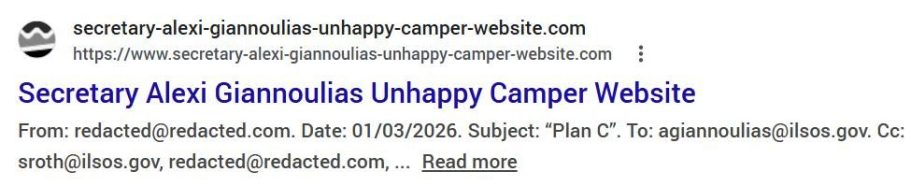
---> https://secretary-alexi-giannoulias-unhappy-camper-website.com <---


To assure full and complete transparency, all the information (other than the information / document-ation found in my October 31, 2025 letter) used to research and document the above-named websites were obtained from the below-named public records websites:
The opinions and viewpoints expressed on this https://jeremy-mcalpin.com website are solely those of the authors and do not necessarily reflect the opinions or viewpoints of any other person, place or thing. (But, then again, they might?) The opinions and viewpoints provided on this https://jeremy-mcalpin.com website are based on the authors’ experiences and are intended for general informational purposes only.
While the authors strive to provide current and relevant information on a continuing basis, this https://jeremy-mcalpin.com website cannot guarantee that all information is current and up-to-date. Any reliance placed on such information shown on this https://jeremy-mcalpin.com website is strictly at the readers’ own risk. The authors encourage readers to conduct their own research and make their own decisions based on their unique circumstances.
DISCLAIMER: The below-named websites, specifically the:
https://alexi-giannoulias-unhappy-camper-website.com and the
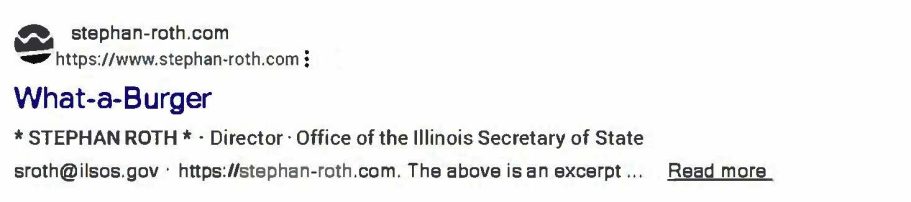
https://stephan-roth.com website and the
https://jeremy-mcalpin.com website and the
https://steven-t-miller.com website and the
https://stevan-hapgood.com website and the
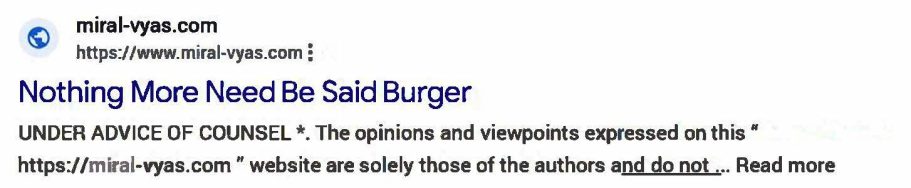
https://miral-vyas.com website.
https://jeremy-mcalpin.com
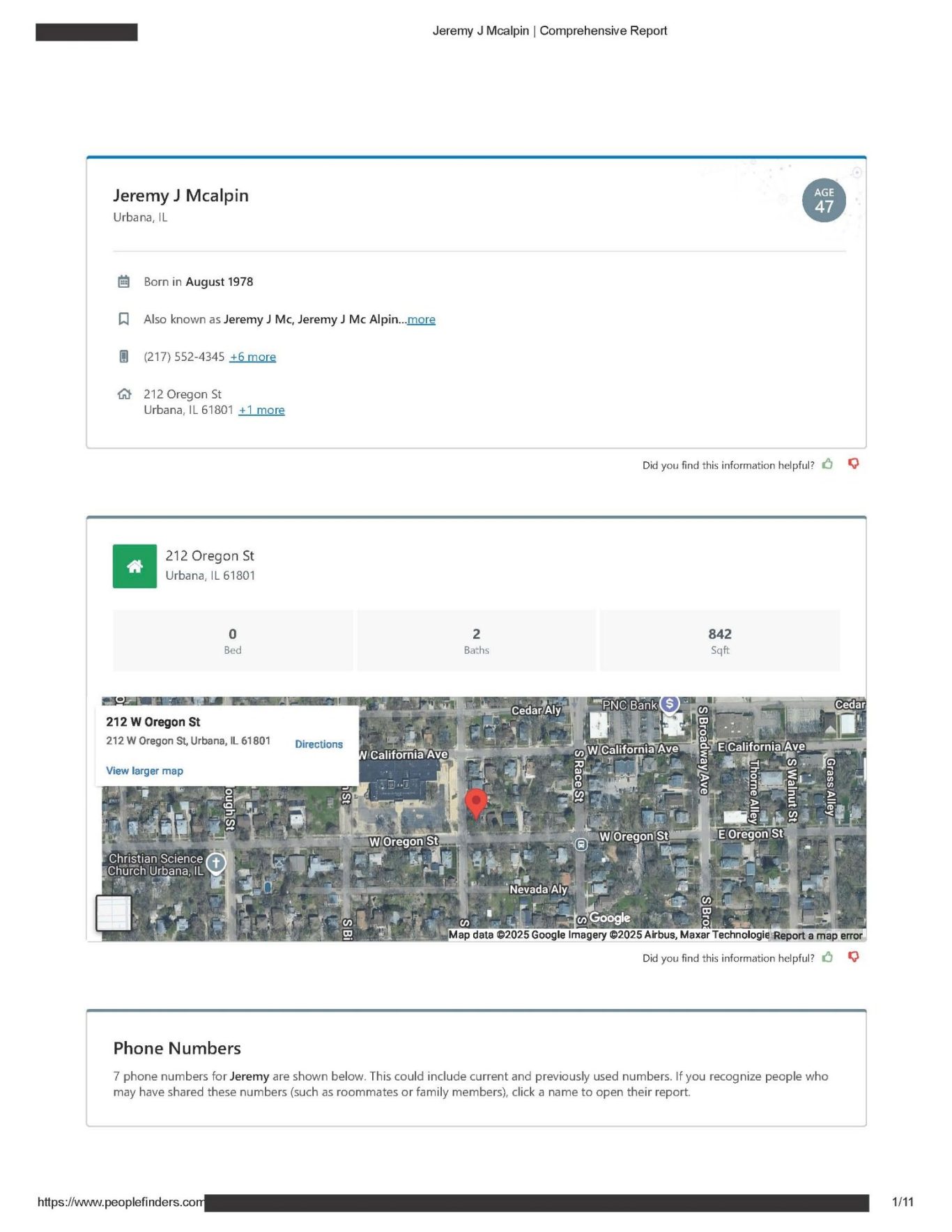
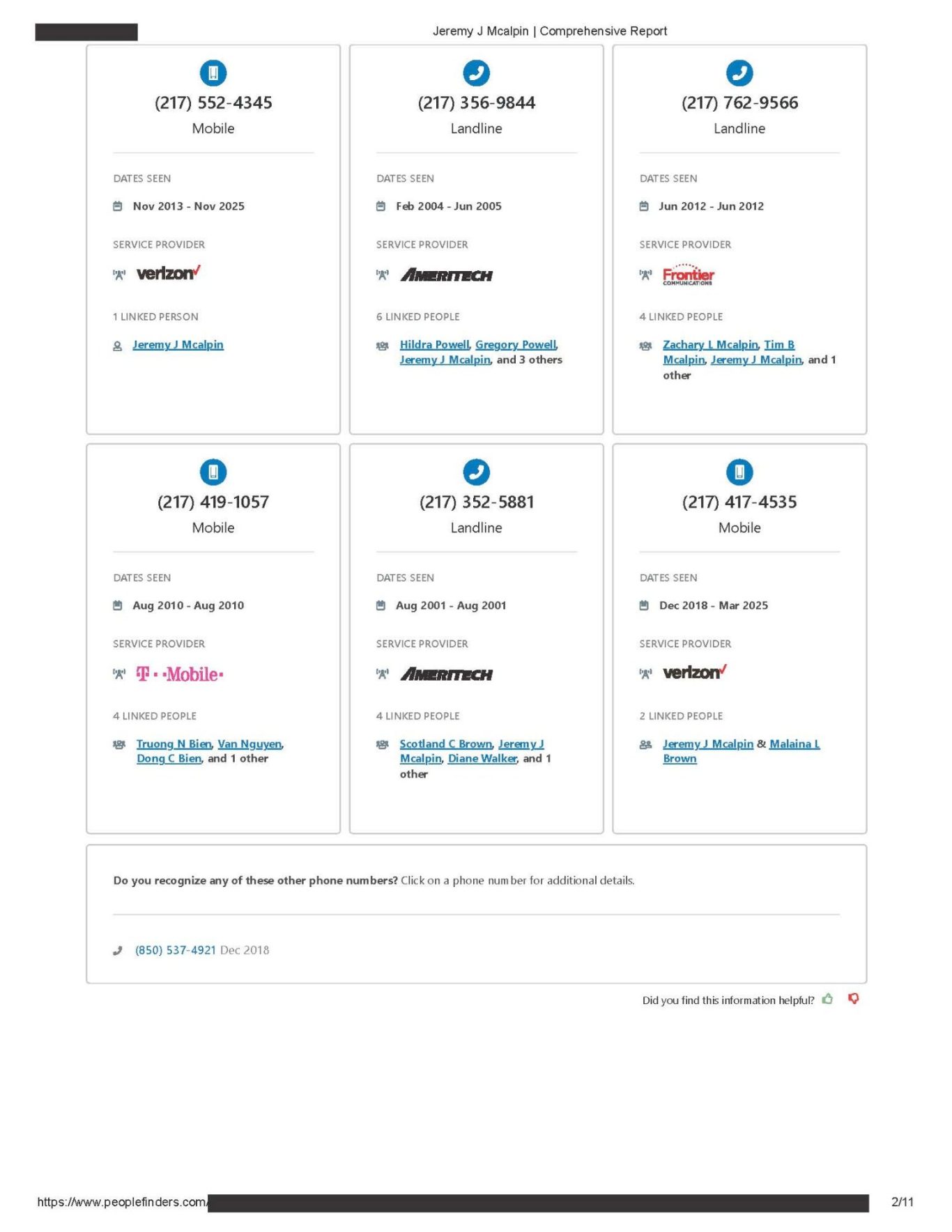
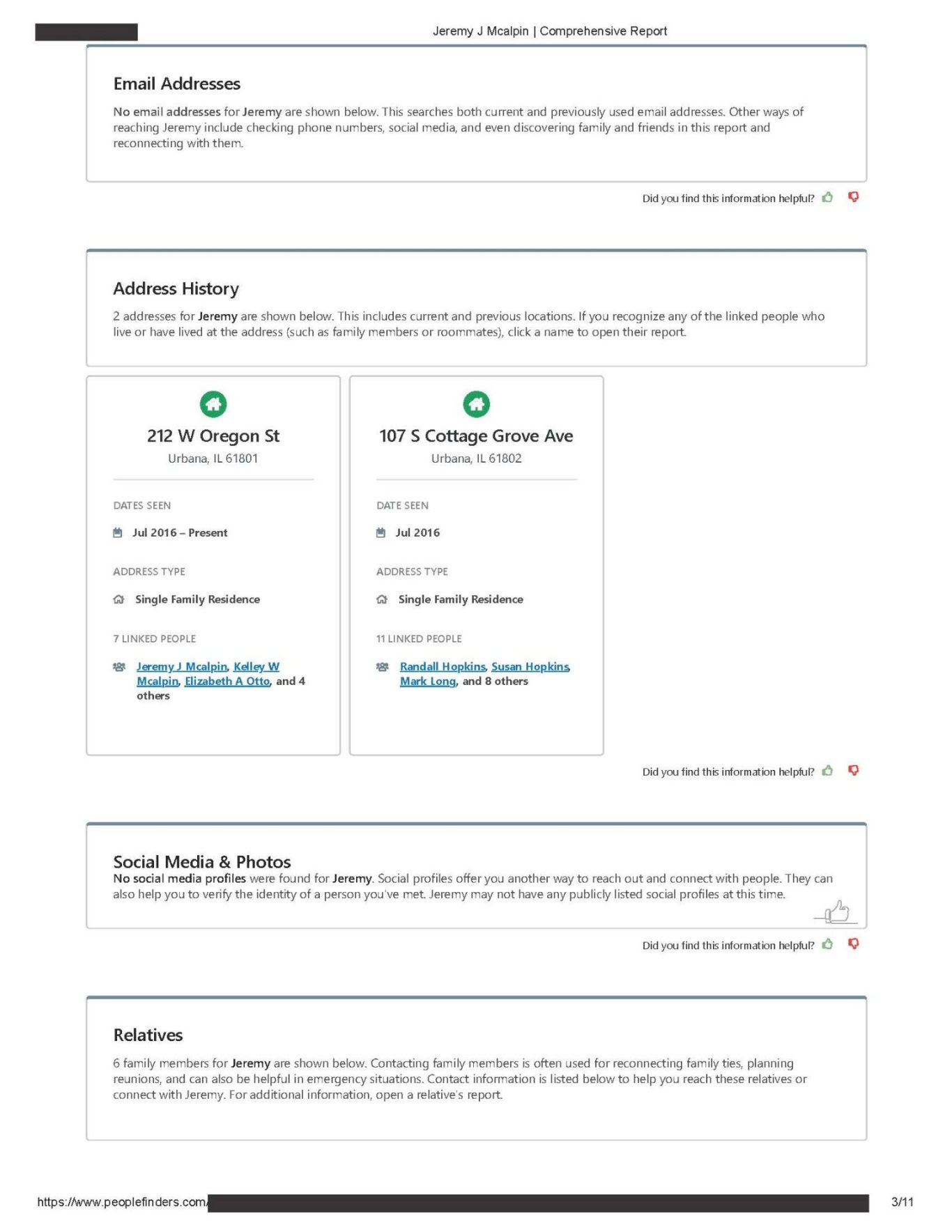
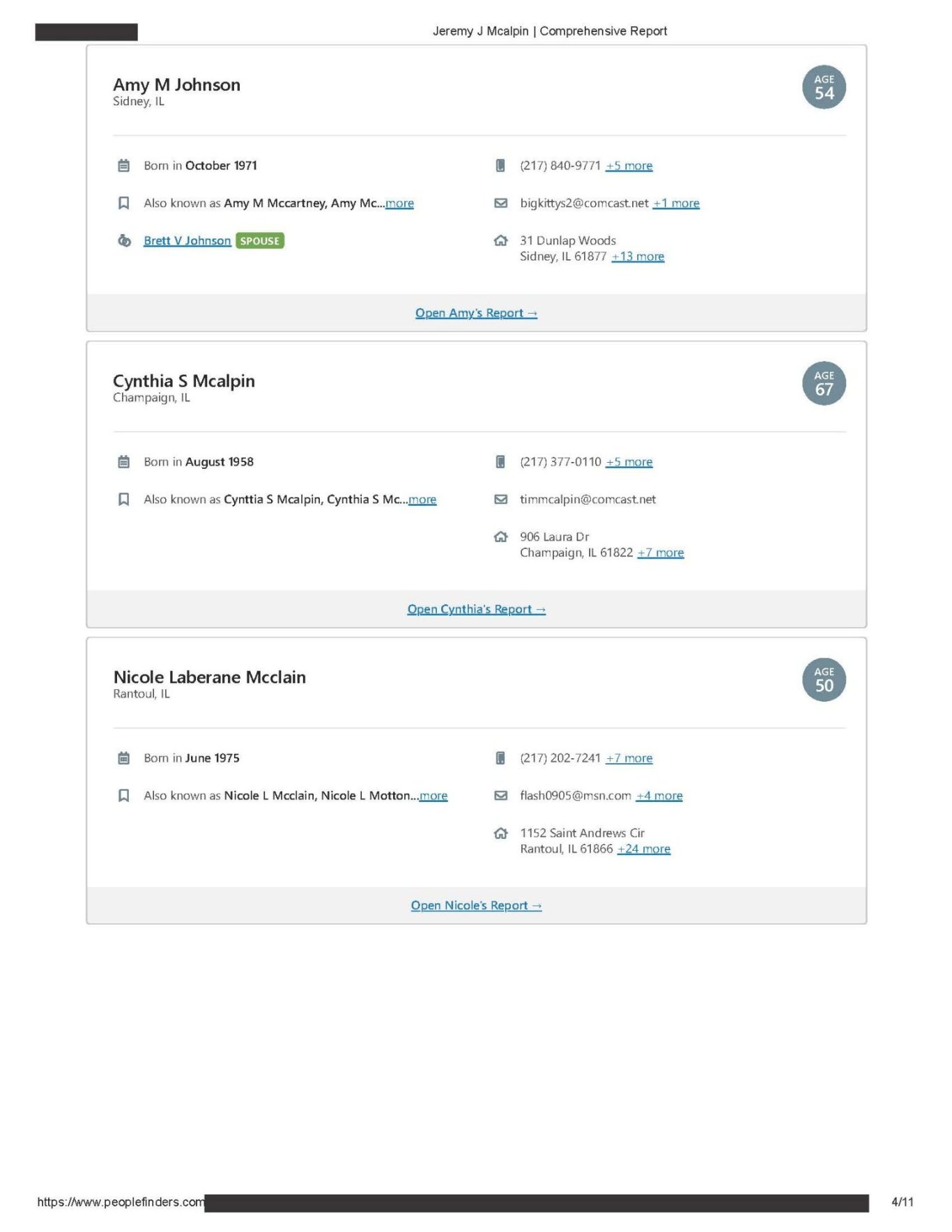
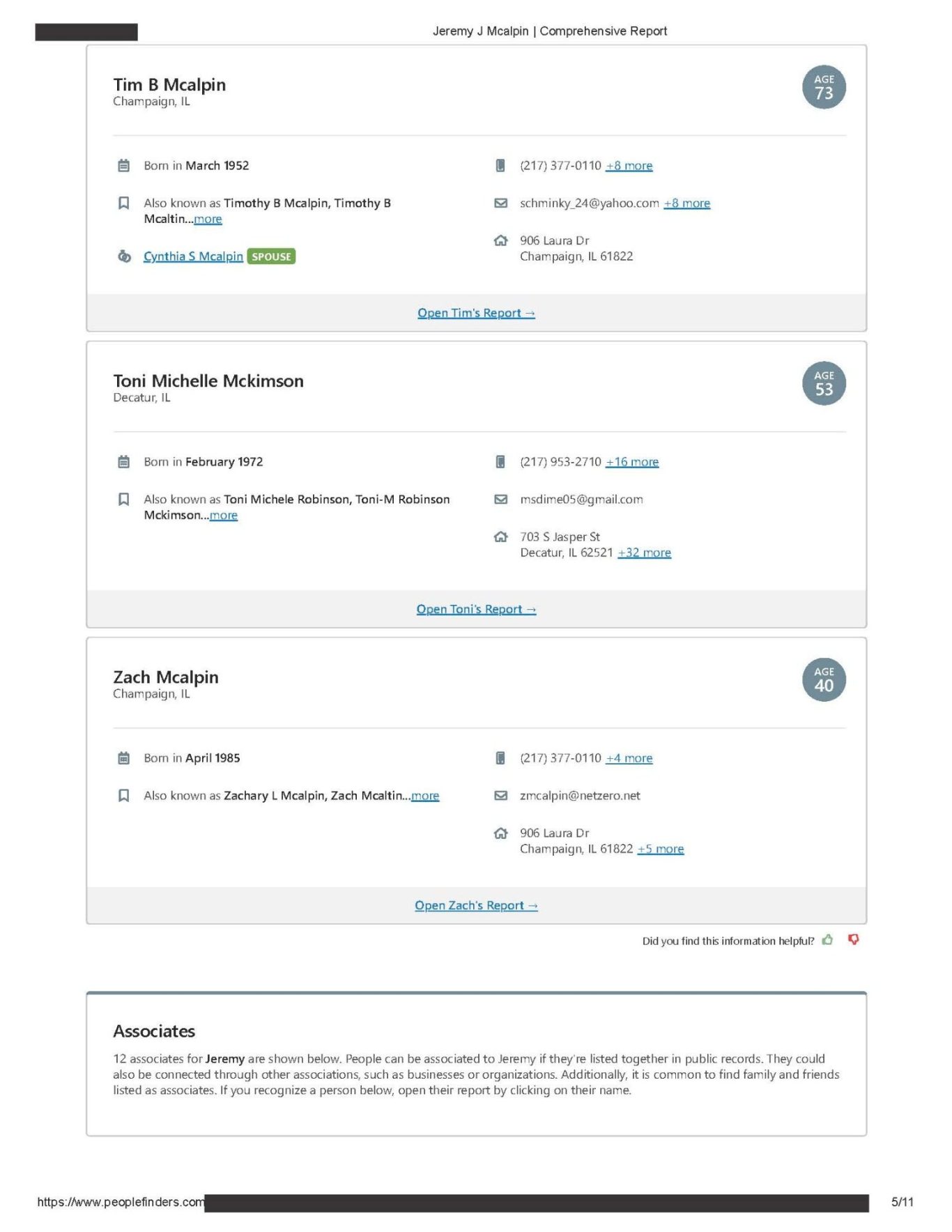
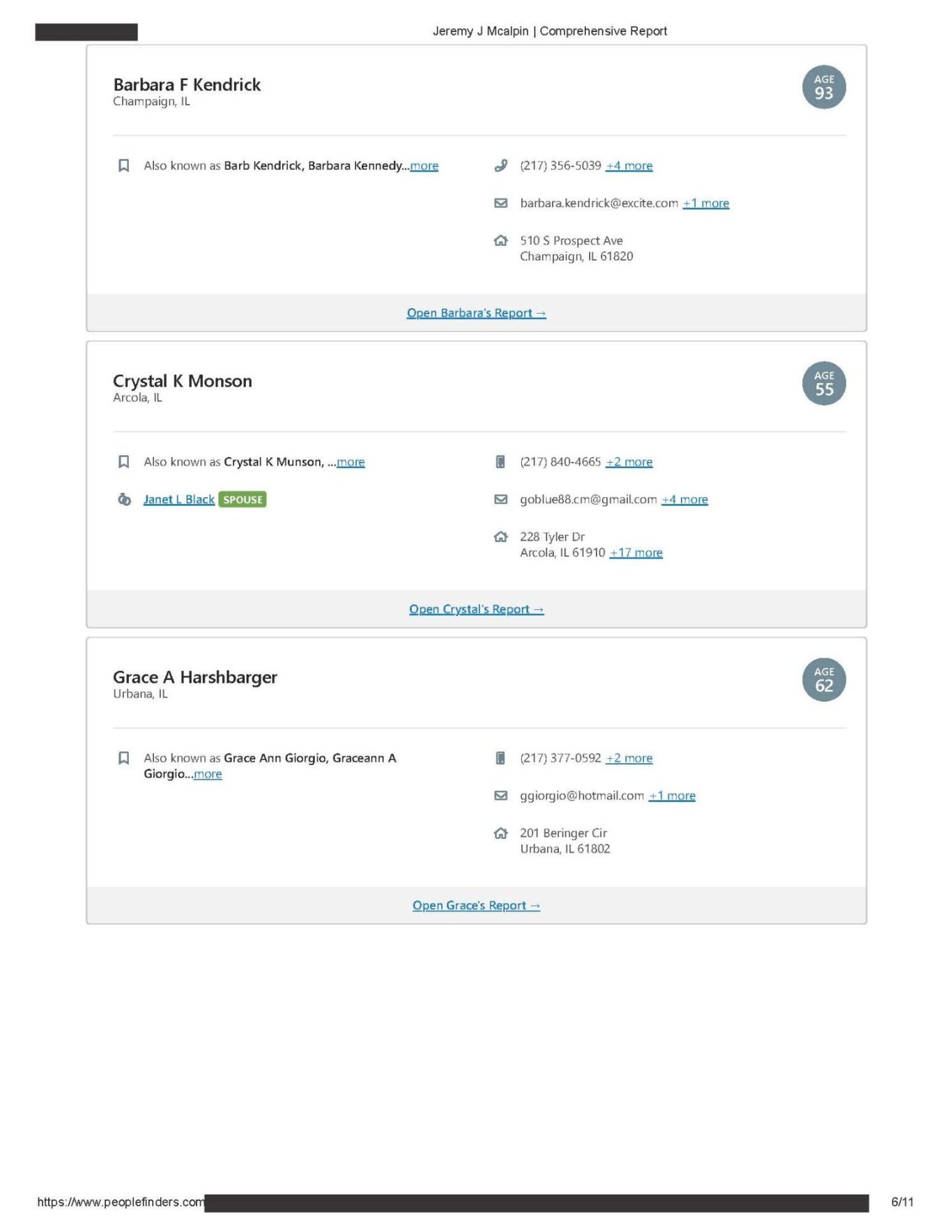
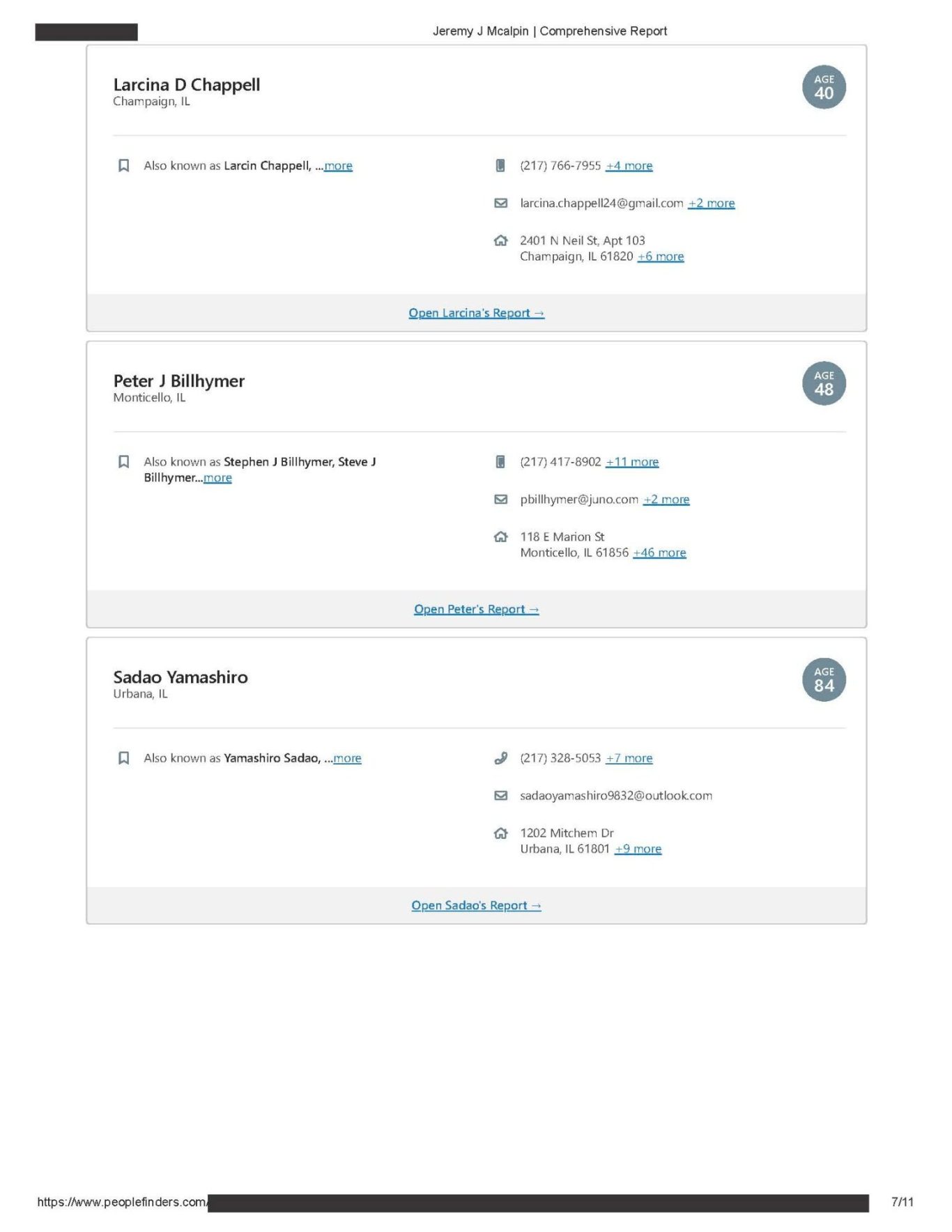
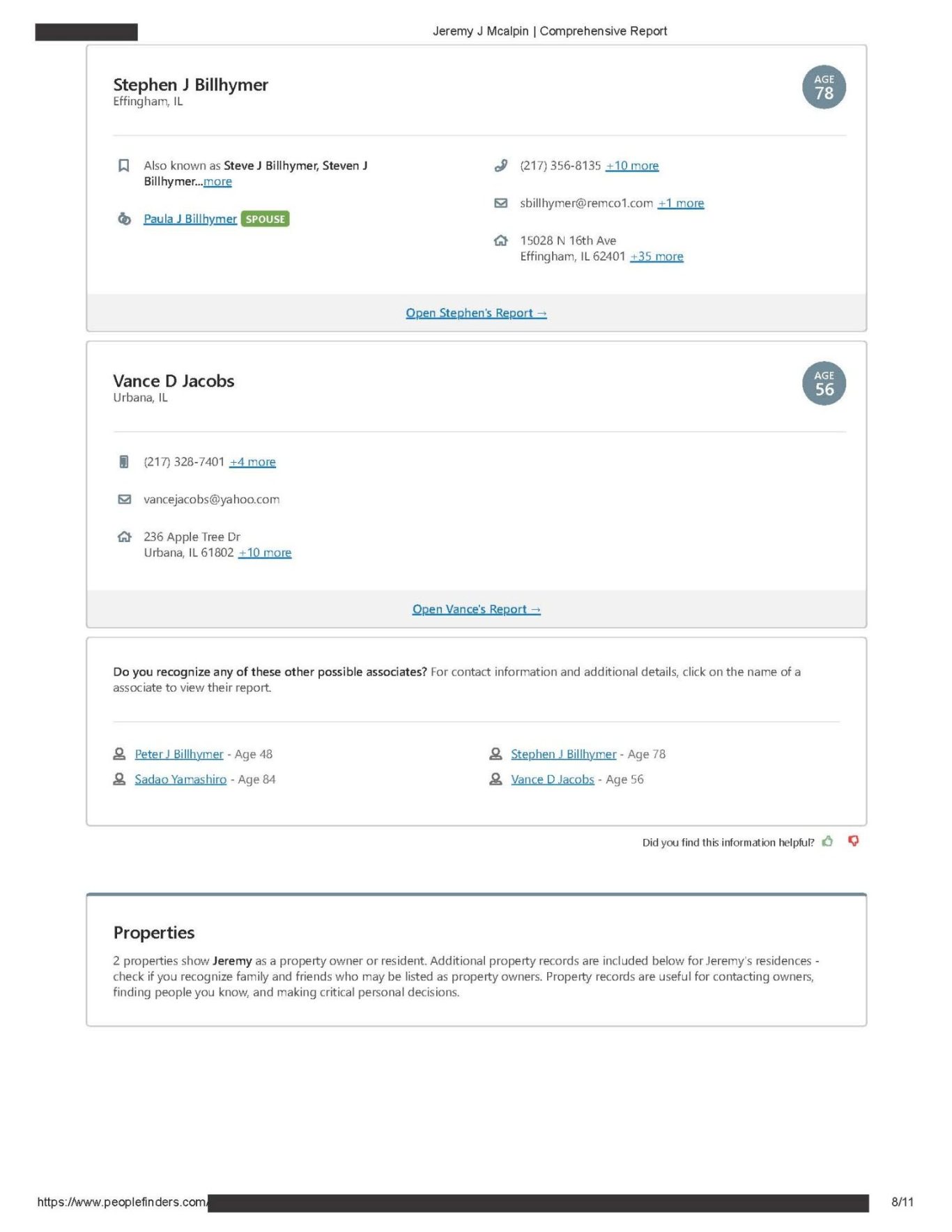
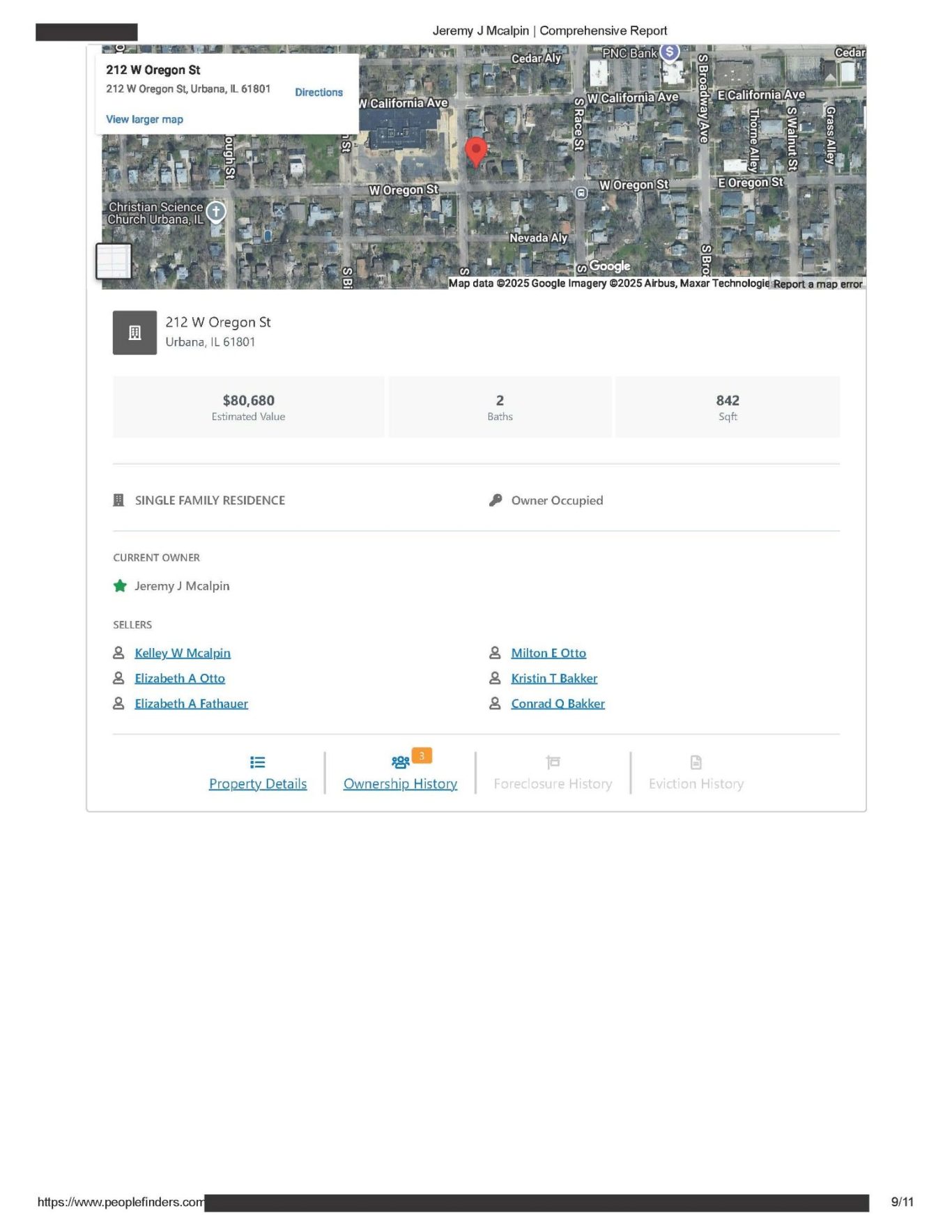
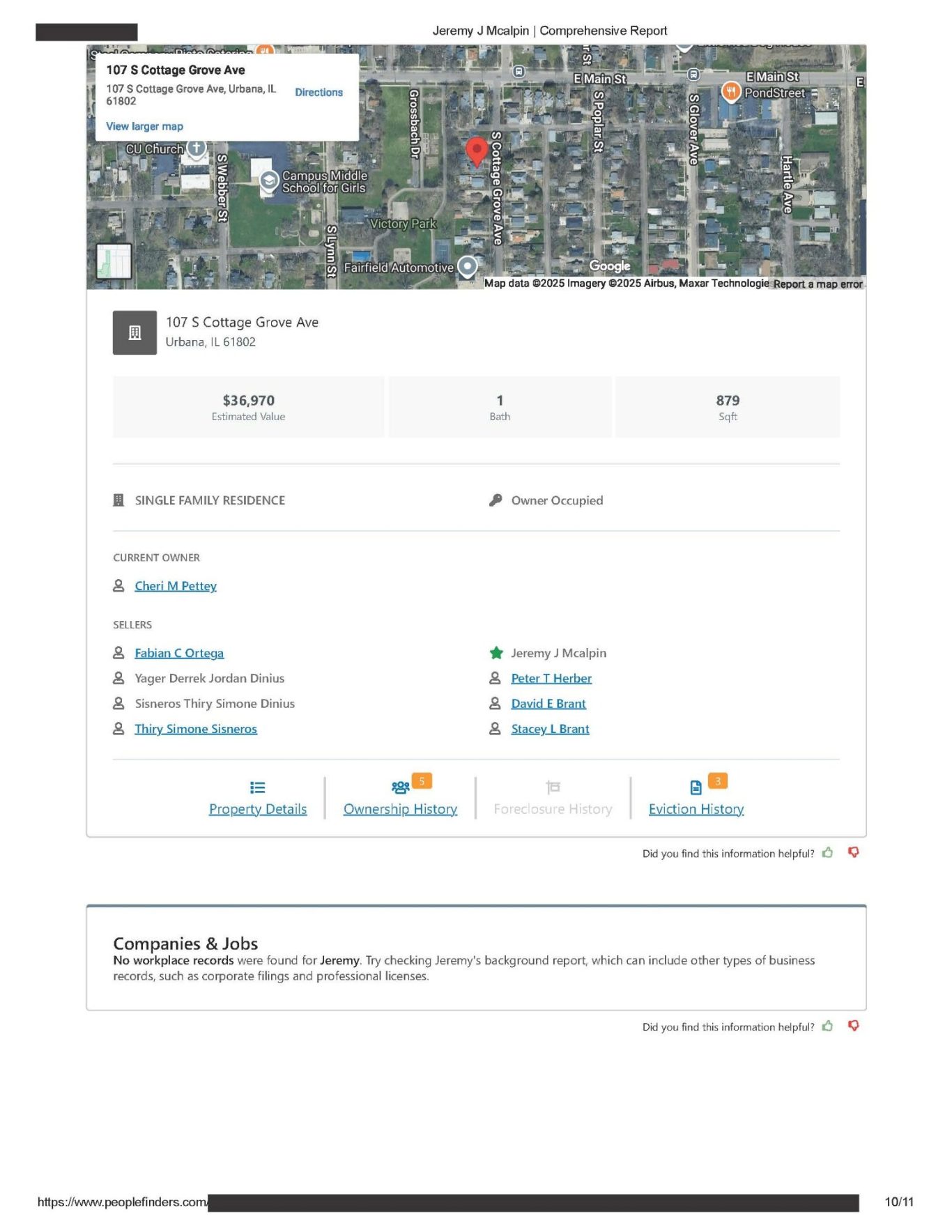
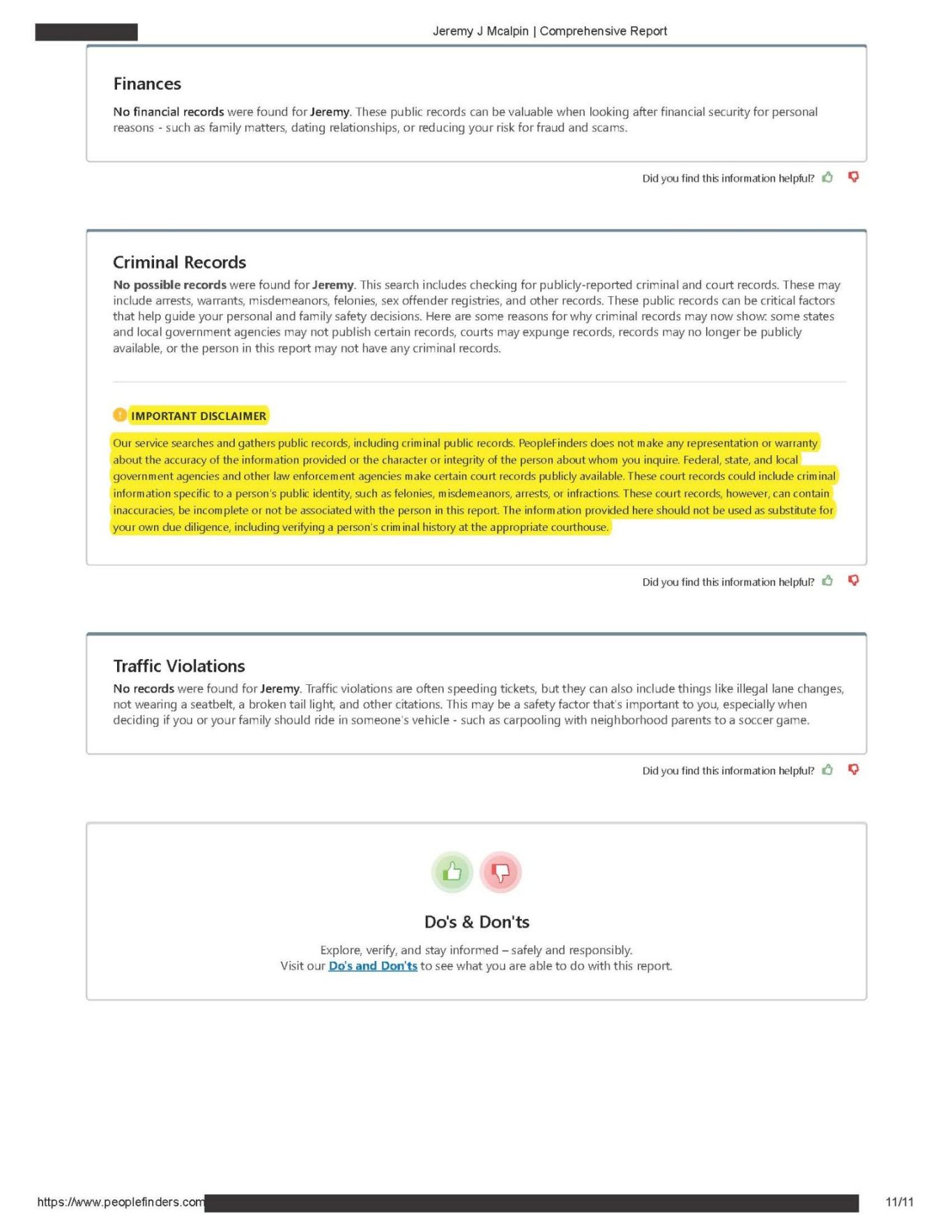
https:///www.peoplefinders.com (Jeremy McAlpin #63863671) website and the
https://www.facebook.com (Jeremy McAlpin) and the website and the
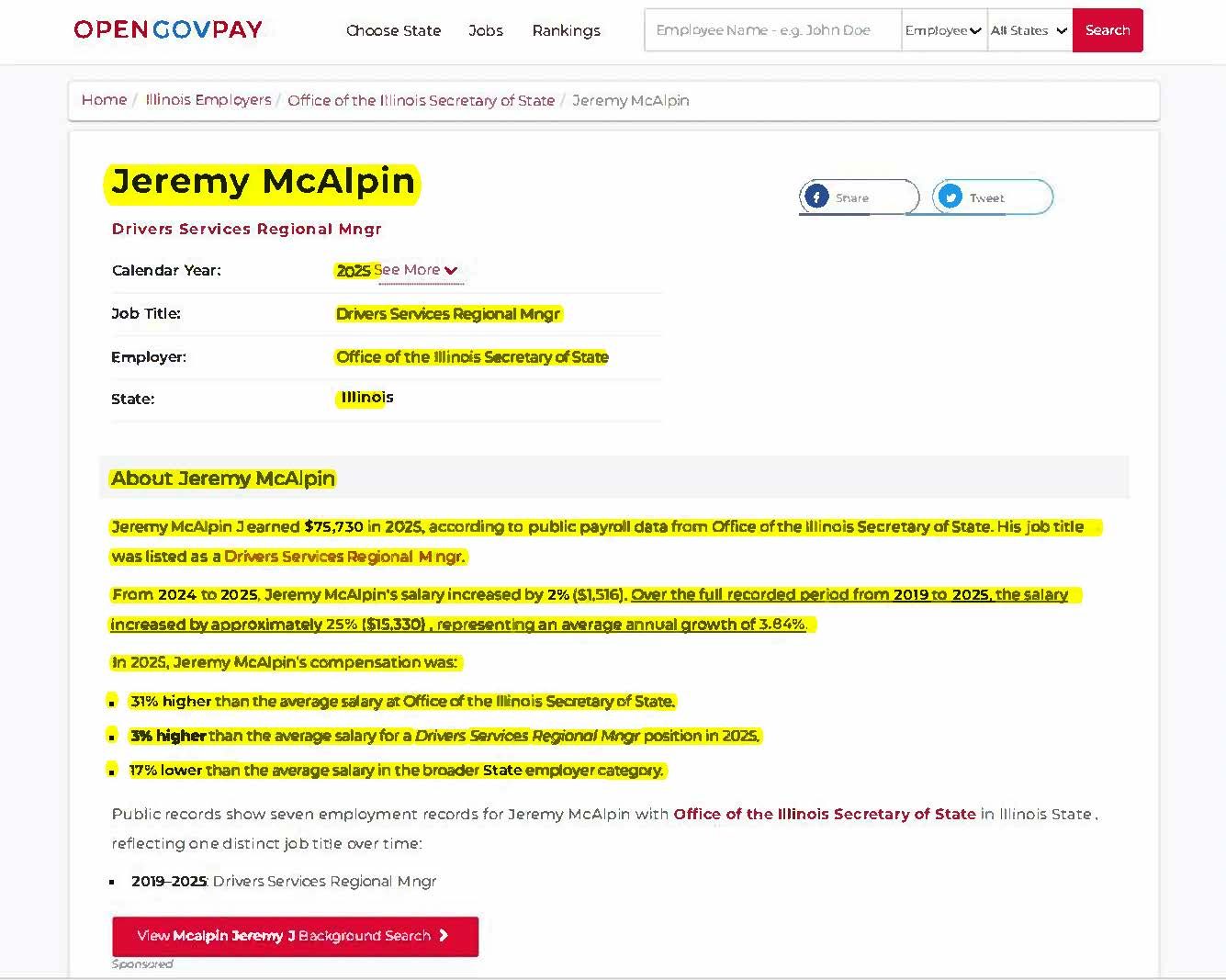
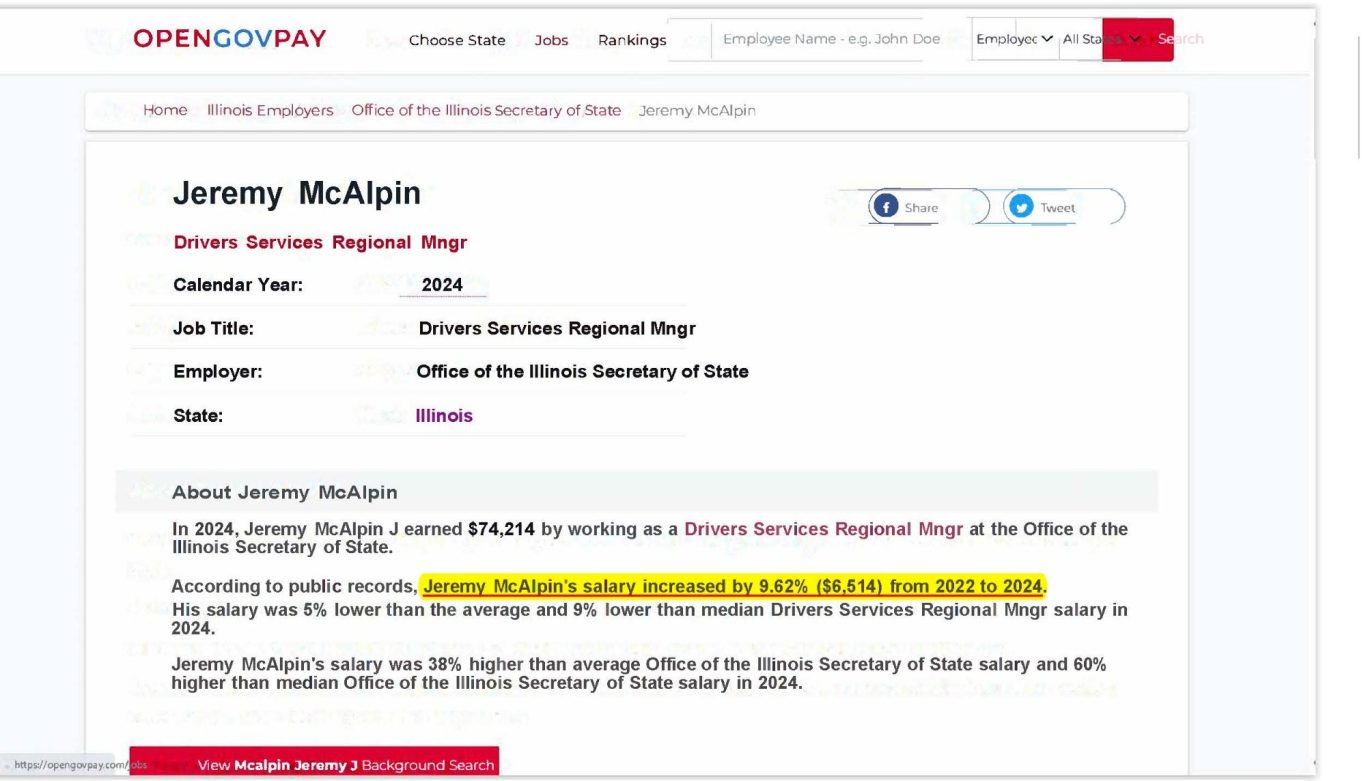
https://opengovpay.com (Jeremy McAlpin #181066785) website and the
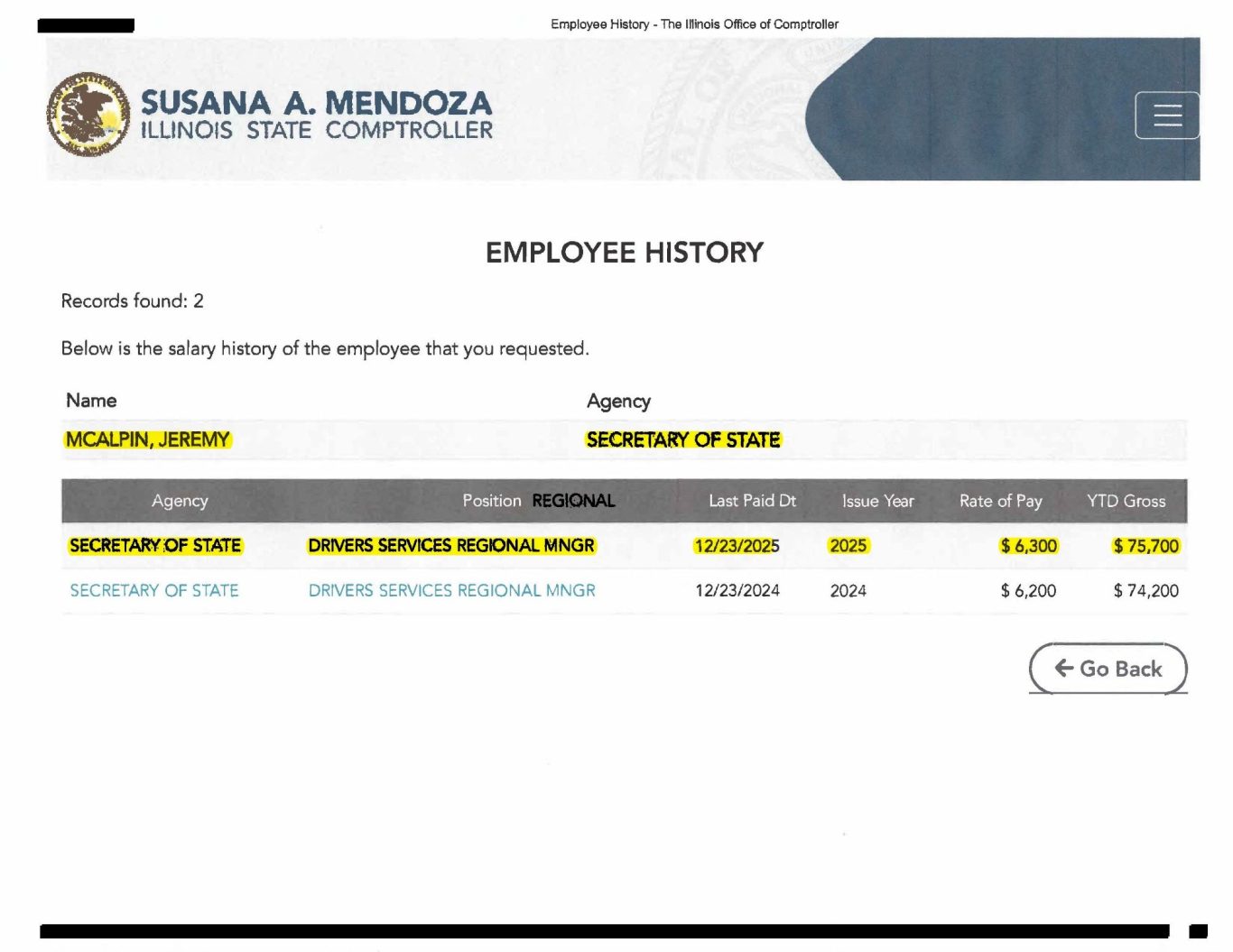
https://illinoiscomptroller.gov (Jeremy McAlpin) website and
contain links to external websites that are provided for your information and convenience. These links do not constitute an endorsement or approval by the creators of the https://jeremy-mcalpin.com website of any products, services or opinions of the organization, corporation or individual. The creators of the https://jeremy-mcalpin.com website bears no responsibility for the accuracy, legality or content of these external sites or for that of subsequent links; the creators of the https://jeremy-mcalpin.com website do not control these sites and make no guarantees about the information found there. You are subject to the privacy, security and quality policies of these external sites when you leave the https://jeremy-mcalpin.com website. Your use of any of these external links is at your own risk.
https://miral-vyas.com
https://www.peoplefinders.com (Miral Vyas #63863920) website and the
---> https://www.linkedin.com (Miral Vyas #79862325) <--- and the
https://opengovpay.com (Miral Vyas #181067946) and the
https://illinoiscomptroller.gov (Miral Vyas).
https://steven-t-miller.com website:
https://www.peoplefinders.com (Steven T. Miller #63864108) website and the
https://opengovpay.com (Steven Miller #181067937) website and the
https://illinoiscomptroller.gov (Steven Miller) and
https://stevan-hapgood.com
https://www.peoplefinders.com (Stevan Hapgood #63863868) website and the
https://www.linked.com (Steven Hapgood #99ab96277) website and the
https://opengovpay.com (Stevan Hapgood #168057676) website and the
https://illinoiscomptroller.gov (Stevan Hapgood) and
https://stephan-roth.com
https://www.peoplefinders.com (Stephan Roth #63863575) website and the
https://www.linkedin.com (Stephan Roth #896752263) website and the
https://opengovpay.com (Stephan Roth #181066203) website and the
https://illinoiscomptroller.gov (Stephan Roth) website and
https://secretary-alexi-giannoulias-unhappy-camper-website.com
https://en.wikipedia.org/wiki/Broadway_Bank_(Illinois)
https://www.fdicoig.gov (Broadway Bank) website and
* UNDER ADVICE OF COUNSEL *
Thank you for your support!
---> https://youtu.be/Gj6apT-1Yjc?si=I7GVK-4XhgIJ4CBE <---
PEOPLEFINDERS and similar people-search platforms function as data brokers, aggregating information from a combination of public, private, and commercial sources to build comprehensive personal profiles.
The site claims access to over 150 billion records from more than 6,000 sources. These sources generally fall into three main categories:
1) PUBLIC AND GOVERNMENT RECORDS:
These are documents made available by law through federal, state, and local government agencies.
Property & Real Estate: Deeds, mortgages, property tax assessments, and appraisal records. Court & Legal Documents: Criminal records, arrest logs, lawsuits, bankruptcies, liens, and judgments.
Vital Records: Birth certificates, marriage licenses, divorce decrees, and death records.
Civic Data: Voter registration databases and census statistics (when publicly unsealed).
Licenses: Professional licenses (e.g., medical, legal, or pilot licenses) and business registrations.
2) Commercial and Private Sources:
Data is often purchased or licensed from private companies and other marketing entities.
Data Brokers: Buying or trading datasets with other specialized data brokers to fill in profile gaps.
Retail & Marketing: Information collected from store loyalty programs, magazine subscriptions, and online shopping histories.
Financial Entities: Aggregated data from credit bureaus and utility companies.
Direct Interaction: Information provided through sweepstakes entries, surveys, or warranty card registrations.
3) Online Activity and Social Media:
Automated tools "scrape" or index information that users have made public on the internet.
Social Profiles: Public data from platforms like Facebook, LinkedIn, Instagram, and X (formerly Twitter).
Web Presence: Mentions in news articles, blog posts, forum discussions, and digital phone directories.
Digital Footprints: Publicly viewable email addresses and online account registrations.
AI
2026